
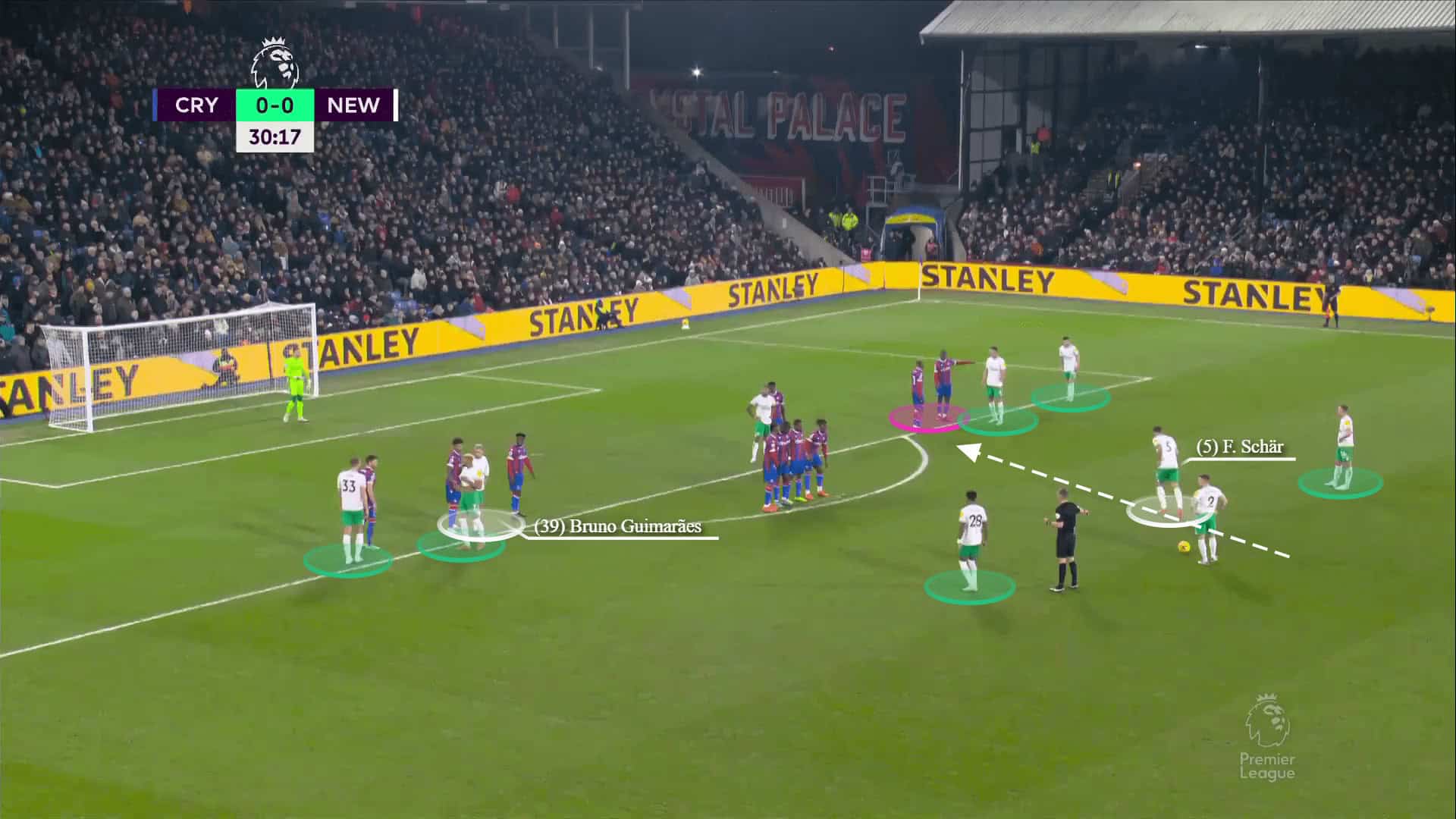
Set pieces play a decisive role in Ligue 1, where matches are often tight and open-play chances can be limited. Teams that repeatedly score from corners, free kicks, and indirect restarts are not relying on luck, but on structural preparation and role specialization. Understanding why certain Ligue 1 teams generate a high proportion of goals from set pieces requires examining their tactical priorities, player profiles, and match contexts rather than simply counting goals.
Why Set Pieces Matter More in Ligue 1 Than Many Leagues
Ligue 1 is shaped by compact defensive blocks, conservative away approaches, and frequent physical duels in central zones. These conditions reduce open-play space and increase the value of dead-ball situations. When teams struggle to break lines consistently, set pieces become controlled opportunities to generate high-quality chances.
As a result, teams that invest in set-piece routines gain a structural edge. This advantage compounds over a season, particularly in matches where tempo is low and margins are narrow.
Structural Traits of Set-Piece-Oriented Teams
Teams that score frequently from set pieces share identifiable structural characteristics. These traits appear repeatedly across successful Ligue 1 sides and are visible regardless of opponent strength.
Common structural elements include:
- Multiple strong aerial targets across defensive and midfield lines
- Consistent delivery quality from wide and central set-piece takers
- Rehearsed movement patterns rather than improvised runs
After these traits are in place, repetition and timing amplify effectiveness rather than individual brilliance alone.
The Role of Delivery Quality and Ball Trajectory
Set-piece success begins with delivery. Accurate ball placement forces defenders into reactive positions and increases the probability of first contact. Ligue 1 teams that score often from dead balls prioritize consistency over variation, ensuring that deliveries repeatedly attack the same danger zones.
Flat Versus Lofted Delivery Approaches
Some teams favor flat, driven balls that attack the near-post corridor, while others rely on lofted deliveries aimed at back-post mismatches. Flat deliveries reduce reaction time for defenders, whereas lofted balls maximize aerial superiority. Teams that score frequently typically commit to one approach rather than alternating without purpose.
This commitment allows attackers to synchronize runs with greater precision.
Movement Coordination Inside the Box
Effective set-piece teams focus on coordinated movement rather than isolated duels. Blocking runs, decoy movements, and delayed arrivals disrupt defensive marking schemes and create uncontested headers or second-ball opportunities.
A typical successful sequence unfolds as follows:
- Initial movement drags primary markers away from target zones
- Secondary runners attack vacated spaces
- One player challenges aerially while others position for rebounds
These layered actions explain why rebounds and second phases often produce goals even when the first header is defended.
Defensive Matchups and Targeting Weak Zones
Teams that score often from set pieces are also skilled at identifying opponent vulnerabilities. They analyze marking systems and target mismatches rather than relying on generic routines.
The table below highlights common targeting strategies.
| Opponent Setup | Targeted Weakness | Resulting Chance Type |
| Zonal marking | Zone edges | Free headers |
| Man marking | Physical mismatch | Fouls or knockdowns |
| Hybrid systems | Communication gaps | Second balls |
This adaptability allows set-piece-heavy teams to maintain output against varied defensive styles.
Set Pieces as a Match Control Tool
Scoring from set pieces is not only about goals but also about control. Teams that threaten consistently from dead balls force opponents to defend cautiously, reducing counterattacking freedom and limiting high defensive lines.
In analytical contexts using platforms such as UFABET, observing how often a team generates corners, wide free kicks, and sustained pressure before scoring from set pieces provides deeper insight than goal totals alone. Over multiple matches, teams that repeatedly convert set pieces demonstrate a repeatable advantage tied to structure and preparation rather than isolated events, especially in low-scoring Ligue 1 fixtures.
Conditions That Strengthen or Weaken Set-Piece Effectiveness
Several conditions influence how effective set-piece strategies remain across a season. Fatigue, rotation, and officiating standards can all alter outcomes. Heavy rotation often disrupts timing and blocking assignments, while strict refereeing can increase fouls in dangerous areas.
However, teams with clear role definition and rehearsed routines tend to preserve effectiveness even under rotation, showing that preparation mitigates external variation.
Risks and Overreliance on Dead-Ball Goals
While set-piece proficiency is valuable, overreliance carries risks. If opponents neutralize deliveries or limit fouls, teams lacking open-play creativity may struggle. Additionally, chasing set pieces can lead to forced crosses and predictable attacking patterns.
Sustainable success occurs when set pieces complement open play rather than replace it entirely.
Summary
Ligue 1 teams that score frequently from set pieces succeed through structure, repetition, and targeted exploitation rather than chance. Delivery quality, coordinated movement, and opponent-specific targeting form the core mechanisms behind this efficiency. While external conditions influence outcomes, teams with embedded set-piece identities maintain consistency across seasons. Understanding these dynamics explains why certain Ligue 1 sides repeatedly convert dead-ball situations into decisive goals.

